







Egypt seeks to complete the structural reforms of the economic program by focusing on creating an investment-friendly environment and promoting private investments. Generally, the Egyptian state assumed the largest role in the economic life in the period from 2011 to 2013 where the country experienced political and security turmoil, as well as during the spread of Covid-19 pandemic.
During these periods, the state made several investments in the infrastructure sector through the construction of roads, bridges, and ports, establishing new cities and developing Upper Egypt governorates. These endeavors helped maintain the economic growth and employment rates and paved the way for the private sector to play its normal role in the production process, leading the Egyptian economy to attract more domestic and foreign private capital.
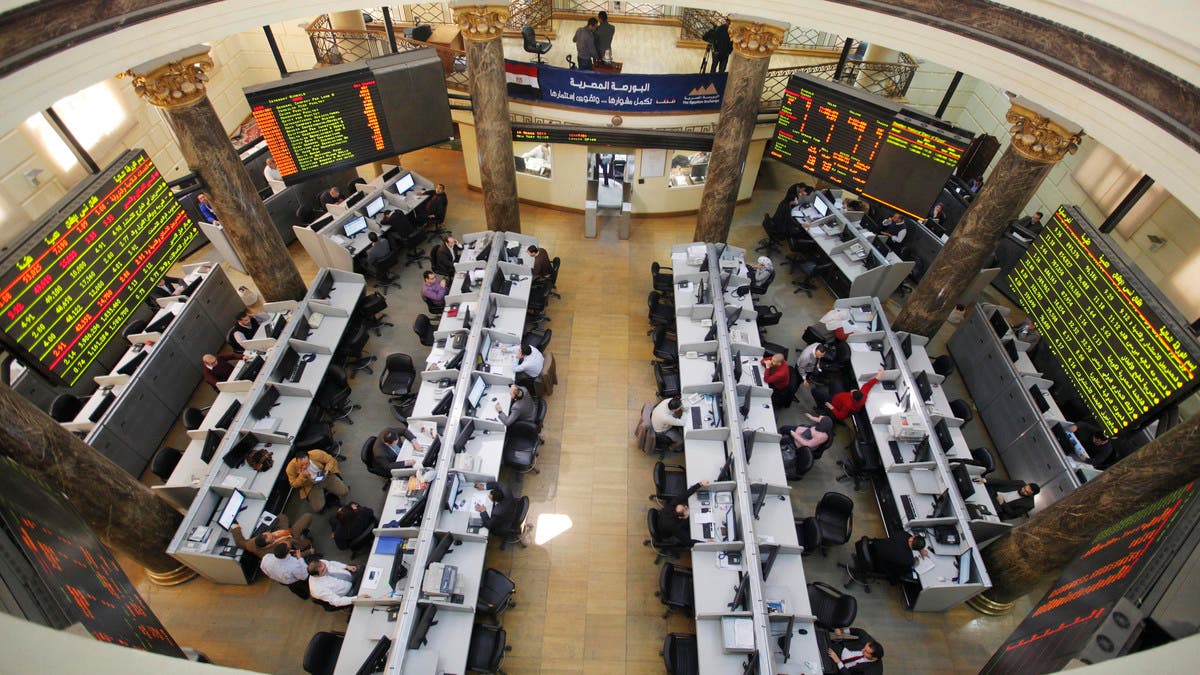
The government’s initial public offering (IPO) program is one of the mechanisms adopted to promote the role of the private sector and foster public-private sectors partnership. The program was first introduced in 2018 but experienced relative calm in the first two years due to several economic conditions and Covid-19 implications. Public enterprises are projected to be traded on the Egyptian Exchange (EGX) at a faster pace until the middle of next year.
Performance Indicators of Egypt’s Private Sector
The private sector is of paramount importance to the Egyptian economy, contributing about 72 percent of the GDP, with this percentage reaching up to 90 percent in some sectors such as agriculture, process industry, construction, internal trade, tourism, information technology, real estate, and social services. As for private investments, they accounted for 23 percent of the total investments in the 2020-2021, projected to increase to 25 percent in the 2021-2022 plan, given expectations of recovery of private investment following the retreat of Covid-19. At large, private sector investments are focused on promising, fast-growing and adaptive activities such as real estate, particularly luxury housing in residential compounds, process industries, natural gas extraction, telecommunications, and agriculture. Notably, the volume of private investments in promising sectors, such as the manufacturing sector, falls short of what is required, which necessitates stimulating private investments and channeling them into specific sectors depending on the macroeconomic requirements. The following two figures show the distribution of the public and private sectors’ generated value added according to data from the latest economic census by the Central Agency for Public Mobilization and Statistics.
Figure 1: The Gross Added Value of Public and Enterprises Sector Companies

Figure 2: The Private Sector’s Gross Added Value

Towards strengthening the private sector’s engagement in the economic activity, the government has taken a range of practical measures, including opening new markets for the private sector, foremost of which is the natural gas sector where Law No. 196 of 2017 regulating gas market activities provided for the private sector to participate for the first time in handling and distribution activities. Other measures introduced include the promulgation of the new investment law No. 72 of 2017 aimed at promoting inward investments and amending of Act No. 159 of 1981 allowing for establishing one-person companies, strengthening the protection of minority shareholders, implementing single-window solutions and electronic services, providing customized services for entrepreneurs, and introducing a new bankruptcy law that decriminalizes bankruptcy and simplifies the procedures that companies or individuals must take to access to justice.
Public Offerings of State-Owned Enterprises on EGX
In 2018, the Egyptian government constituted a special committee for government IPOs headed by the Minister of Finance and announced a program for offering state-owned enterprises on EGX. As such, 4.5 percent of shares of the Eastern Company for Tobacco were traded on EGX in March 2019. In the two years that followed its launching, the program experienced relative inactivity as the economy was severely impacted by several factors, including market fluctuations and Covid-19 repercussions on the economy in general and the investment environment in particular. With recovery and restoring normalcy, the state announced revitalization of the government’s IPO programme, with a focus on investment-friendly sectors. The digital services sector came at the forefront of these sectors where 26.1 percent of the shares of E-finance For Digital and Financial Investments (EFIH) were traded on EGX through public and private offerings, at a total value of EGP 5.8 billion, i.e. $323 million dollars, and these offerings were covered 61.4 times. Other enterprises that are planned to be listed on the EGX through IPOs include the Alexandria Container and Cargo Handling Company, Abu Qir Fertilizers, Sidi Kerir Petrochemicals, Banque du Caire, Ghazl El-Mahalla Club, which was transformed into a company with a capital of EGP 200 million, and Heliopolis Company for Housing and Development.
Relevance of Offering of State-Owned Enterprises on EGX
The government IPO programme is a form of partnership between the public and private sectors, under which part or all of the shares of public enterprises are traded publicly on the stock exchange. When public enterprises are traded on the stock exchange, the state either retains part of the floated company shares or ownership is transferred entirely to the private sector if all the company’s shares are traded. In essence, the government’s IPO programme is one of the mechanisms that empower the private sector, promote its role in the production process, and help reposition market economies. In practice, the state’s acquisition of a substantial proportion of investments reduces the opportunities for the private sector to invest, i.e. the crowding out effect. Realizing this, the Egyptian state sought disassociation from sectors in which it invests, especially investment-friendly sectors. Forms of partnership between the public and private sectors vary widely and the effectiveness of partnership mechanisms varies from company to company and from one period to another within a state. Overall, public-private partnerships aim at focusing government activity on providing public goods, developing policies and strategies, monitoring service providers to ensure quality service, benefiting from the administrative and technical competencies and financing capabilities of the private sector, and involving it in risk-sharing.
For the Egyptian market –characterized by being a large market with substantial consumption and purchasing power and a gateway for major companies to access to the African market– government IPOs offer various benefits. According to the Rand Merchant Bank Index, Egypt came as first investment destination in Africa in the period from 2014-2021, meaning offerings of public enterprises are likely to promote foreign investments in the private economy and help attract new investors to the market, leading to broadening and deepening of the market, increasing liquidity, widening the ownership base in the listed companies, and restructuring administrative boards. On another front, revenues from IPOs of state-owned companies will be geared towards filling the funding resources’ gap and relieving pressure on the public debt, particularly given indebtedness on some enterprises of the public business to the tax authority, amounting to about EGP 10 billion in addition to historical debts owed to other government agencies amounting to EGP 34 billion.
Resumption of the government’s IPO program coincided with the start of the economic recovery from Covid-19 implications and the return of economic activity that was accompanied by price hikes and an increase in trade movement, which stimulated the private sector to resume, or even expand, its activity. The right timing of each IPO –taking into account the market’s capacity to absorb these offerings– made these IPOs successful, which is a good indicator of the success of the entire IPO program. For IPOs to pay off, the state’s plan aimed at listing a significant number of companies would require a longer period of time than the declared timeline.
In addition, the stability of interest rates would support the new IPOs, particularly with the state’s focus on listing the powerful and successful companies, to which financial liquidity will be channeled, enabling investors to achieve investment profits. Further, IPOs of promising companies will help correct the movement of share prices in the stock exchange, putting an end to the unjustified rise of shares of some companies that are not financially strong, offering investors several options to make their decision based on the financial statements of companies away from rumors and speculation. Overall, carefully choosing the government companies for IPOs, picking the right timing for offerings, and implementing IPOs gradually at appropriate intervals of no less than a month are all critical factors that ensure success of IPOs.