







The regional landscape is currently dominated by a pervasive atmosphere of militarization and uncertainty amid the ongoing war. In recent days, questions have increasingly surfaced about the outcome of the war and the escalation in the Middle East, driven by a series of significant developments, chief among them are Israel’s assassinations of the two most prominent figures in the Resistance Axis, Hassan Nasrallah, Secretary-General of Hezbollah, and more recently, Yahya Sinwar, the leader of Hamas. Additionally, there is heightened anticipation regarding Israel’s potential response to Iran’s recent attacks on its heartland earlier this October, along with Israel’s expanding operations in Lebanon and the new proposals for a settlement introduced by US envoy Amos Hochstein during his recent visit to Lebanon.
The outcome of this situation and its trajectory were largely influenced by statements made by Israeli Prime Minister Benjamin Netanyahu following the assassination of Sinwar. He declared that “the war will continue until its objectives are achieved,” signaling his persistent advocacy of the concept of “absolute victory” that he frequently promotes. This stance is expected to have practical implications for the region’s dynamics in the near and medium term.
Overall, the five key factors influencing escalation dynamics in the Middle East can be elaborated as follows:
1. Netanyahu’s Insistence on the Concept of Absolute Victory
While some analyses have suggested that the assassination of Sinwar might create an opportunity for serious negotiations towards a ceasefire, a psychological evaluation of Israeli Prime Minister Netanyahu’s character and his handling of the dynamics of this war since October 7, 2023, reveals that any tactical successes he has achieved thus far have only fueled his determination to extend the conflict and amplify the narrative of “absolute victory.”
As such, Netanyahu views the elimination of Sinwar as a chance to accomplish several goals. Firstly, he intends to sustain the war, primarily aimed at eliminating what Israeli circles label as “existential threats” from the Resistance Axis factions, while also reengineering the regional landscape to establish Israel as a unilateral superpower. Secondly, the current context, along with direct and implicit US support for Israel (notably, President Joe Biden’s statement on October 5 that America cannot restrain Israel), provides Tel Aviv with a unique opportunity to undermine the strategic foundations of Iranian power, especially regarding nuclear capabilities, military assets, and energy and oil resources. Thirdly, this situation enables Netanyahu to pursue his expansionist ambitions and engage on multiple fronts that have been on hold for years, particularly in Lebanon and Syria, as well as in the occupied West Bank and against the Houthis. Obviously, the Iranian issue also remains a priority. Here, the emphasis is placed on Israel’s strategic objectives, rather than concerns about securing the release of hostages or returning northern residents to their settlements, which current information indicates have become secondary priorities for Netanyahu.
2. Israeli Calculations for a Response to Iran
As previously mentioned, the dominant discourse currently capturing the attention of research and political circles in the region and around the world, as well as public opinion, is primarily centered on the Israeli-Iranian escalation, particularly regarding the potential Israeli response to Iran, which seems unavoidable due to two main factors. First, Israel is compelled to react to the recent Iranian attacks on its territory in early October, as part of the mutual deterrence equations between the two sides. Second, Netanyahu views the current context as an opportunity to weaken Iran substantially. However, the delay in Israel’s response seems to be influenced by several key factors, primarily the efforts of Israel and the United States to assess the nature and extent of this response while gauging Iran’s reaction to the escalation, in addition to considering regional and Gulf dynamics given the potential fallout from this situation, as well as the possibility of a Russian and Chinese reaction to it.
Israel’s potential target list for a response to Iran appears to encompass three key levels. The first and riskiest level involves direct strikes on Iranian nuclear sites and high-profile assassinations of key Iranian figures. The second level targets Iran’s oil infrastructure and various economic sectors, an approach that could cause substantial shifts in global oil prices. The third level focuses on intermediate, strategically important military facilities and other critical infrastructure. In addition to these three scenarios, another option exists, albeit one that may not resonate with Netanyahu’s current optimism and confidence: the initiation of large-scale cyberattacks against Iran, aimed at inflicting significant costs and disruptions while carefully considering US reservations, particularly regarding attacks on oil facilities and avoiding a fully open conflict.
Nevertheless, this Israeli response to Iran could plunge the region into a destructive conflict, with several potential repercussions looming. First, Iran may target key Israeli infrastructure, with Iranian officials warning that their escalation could have disastrous effects on Israel. Secondly, there is the possibility that, in response to an Israeli attack, Iran would respond with a nuclear explosion the very next day, thereby proclaiming itself a nuclear power—a path underscored by certain religious interpretations and political rhetoric within Iran advocating for this move. Lastly, Iran could escalate the situation further by activating its network of proxies across multiple fronts.
3. The Ground Reality in the Gaza Strip
Despite the fact that the killing of Sinwar occurred in an operation described as accidental by Israeli officials themselves—thereby undermining claims that he was hiding among the Israeli hostages—this incident represents a significant loss for Hamas given Sinwar’s central role within the organization at multiple levels in recent years. He was not only a key planner but also the primary architect behind Operation al-Aqsa Flood. However, several factors suggest that Sinwar’s killing will not lead to substantial ground changes nor substantiate the more optimistic views that see it as an opening for a political pivot towards a ceasefire.
Key factors shaping the ongoing situation include several indicators. First, even a year into the conflict, intense confrontations persist across multiple fronts in Gaza, with fierce clashes between the Israeli military and the al-Qassam Brigades in areas such as Jabalia, Rafah, Netzarim, and the al-Bureij refugee camp. Secondly, Hamas appears poised to adopt a more decentralized military approach in Gaza, potentially under the leadership of Muhammad Sinwar, the late leader’s brother. Thirdly, Israel has expanded its target list in Gaza, concentrating on continued military actions to dismantle the remaining al-Qassam Brigades and eliminate their remaining leaders, alongside executing the so-called Generals’ Plan, which aims to impose a new occupation reality in the northern Gaza Strip.
4. Ambiguities on the Lebanese Front
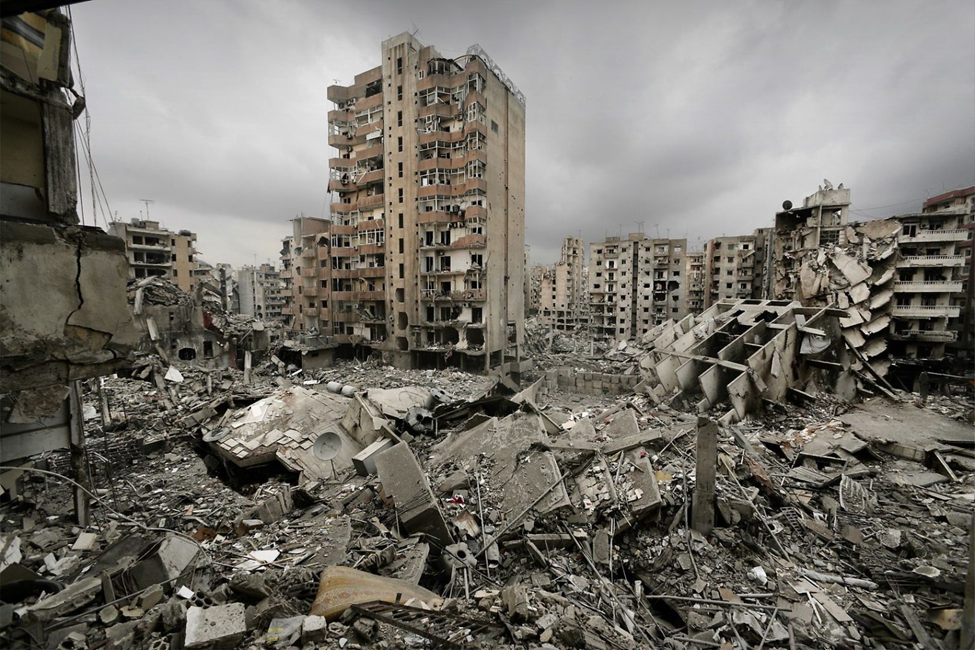
The situation on the Lebanese front has recently developed along two parallel tracks. The first involves renewed political engagement aimed at securing a ceasefire in Lebanon, often characterized as “negotiations under fire,” marked notably by the recent visit of US envoy Amos Hochstein to Beirut. Notably, this diplomatic push came against a backdrop of escalated Israeli air strikes in southern Lebanon and the southern suburbs of Beirut just prior to his arrival. The second track highlights a series of challenges facing Israeli ground operations in southern Lebanon, reflected in several key indicators. So far, these operations have failed to establish any Israeli foothold or stable presence in southern Lebanon, remaining limited to attempts to breach defenses in the face of Hezbollah’s assertive stance and renewed control. Moreover, reports in Hebrew media about substantial and escalating Israeli casualties on this front underscore the challenges Israel encounters. Hezbollah has also launched two significant strikes deep inside Israeli territory: the first, on October 13, involved a drone swarm assaulting the Israeli Golani Brigade camp, while the second targeted the residence of Prime Minister Benjamin Netanyahu in Caesarea using a drone.
Overall, it appears that developments on the Lebanese front will be shaped in the coming period by several key factors. The first is the outcome of the discussions being held by the US envoy in Lebanon with segments of the political spectrum, which are unlikely to yield new results given Hezbollah’s rejection of the conditions brought by Hochstein. The second factor will depend on the effectiveness and resilience shown by Hezbollah’s units operating in southern Lebanon in response to Israeli ground incursion attempts. The third relates to Lebanon’s internal dynamics, particularly given that one of Israel’s primary aims behind these operations and the unprecedented airstrikes across Lebanese regions is to sway Lebanese public opinion against Hezbollah and stir internal discord.
5. Consequences of the “Unity of Arenas” Strategy
Examining recent Israeli actions reveal that dismantling the “unity of arenas” concept on military and security fronts is not Israel’s sole priority; rather, Israel aims to leverage this framework to achieve broader objectives and exert pressure on the Resistance Axis. Key indicators supporting this include the early October discussions between Mossad director David Barnea and CIA Director William Burns, where the Israeli delegation emphasized the importance of linking negotiations with both Hezbollah and Hamas to establish a comprehensive ceasefire agreement across both fronts. In practice, this suggests that Israel is leveraging its pressure on Hezbollah not only to achieve specific objectives in Lebanon but also to push for a settlement in Gaza. Secondly, the Israeli approach to managing the “unity of arenas” concept operationally focuses on escalating costs for each front in proportion to the support it provides to Gaza. Thirdly, Israel has recently shifted its media narrative to frame the conflict as a war across seven fronts—not from a victim’s perspective as in the early days of the war, but to project Israeli power and emphasize the existential nature of the conflict. Overall, the level of support from these fronts to Hamas and Hezbollah, along with the strategies adopted in the coming period, will be key factors shaping the region’s escalation trajectory.
In short, it can be said that Israeli Prime Minister Benjamin Netanyahu, by imposing the option of war and escalation in the region, has managed to stabilize Israel’s domestic front and limit the avenues available to international and regional actors seeking to de-escalate the current tensions. This approach edges the region closer to a “brink of disaster,” adding layers of complexity and intensifying the conflict dynamics that characterize regional interactions.


