







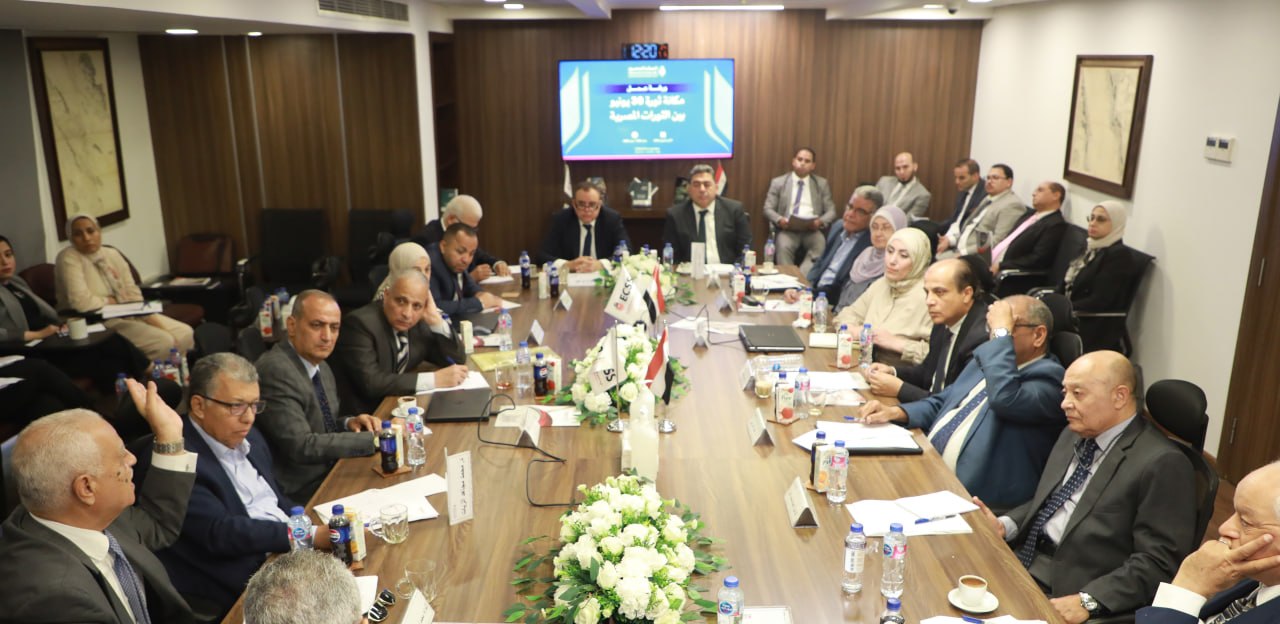
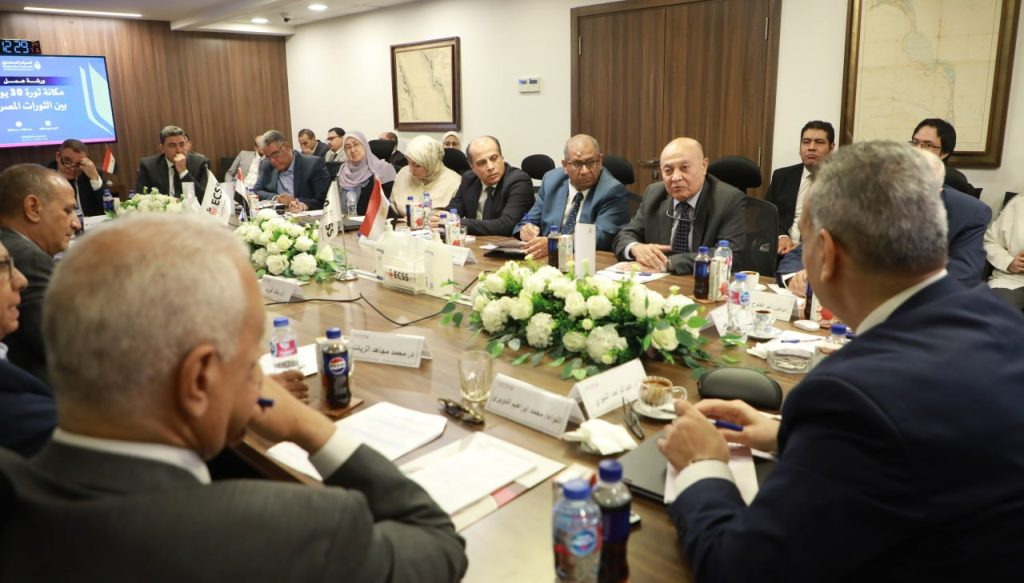
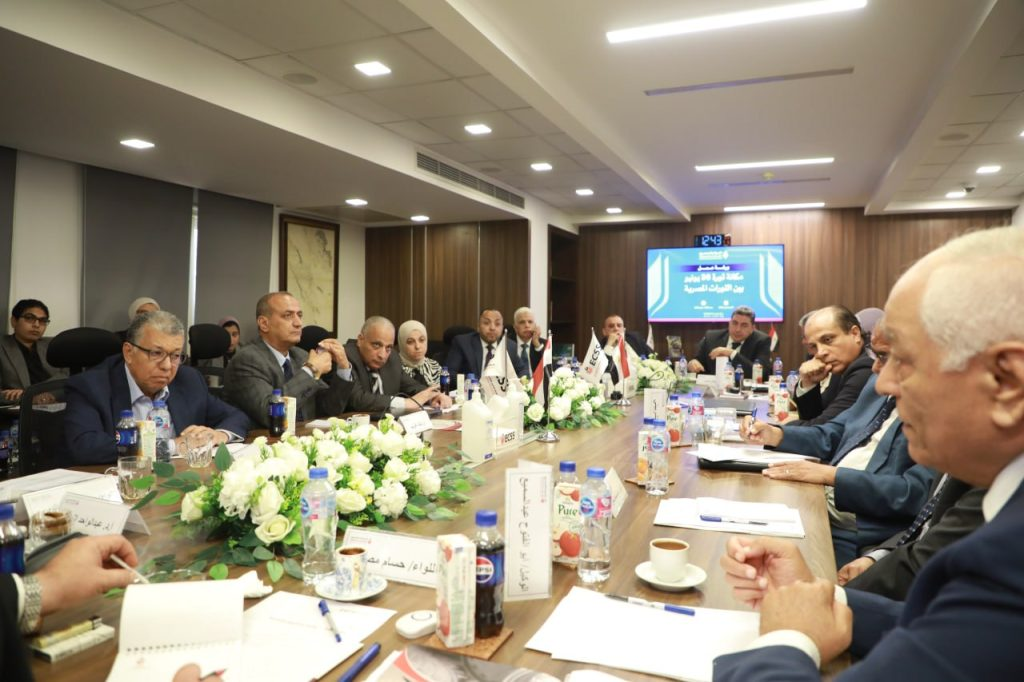
The Egyptian Center for Strategic Studies (ECSS) held a workshop on July 6, 2026 on “The Place of the June 30 Revolution Among Egypt’s Revolutions,” marking the launch of the ECSS’ research and academic activities plan for 2026-2027. The workshop was also the first event organized by the center’s newly established Historical Studies Program, bringing together a distinguished group of history professors and experts in political and social sciences.
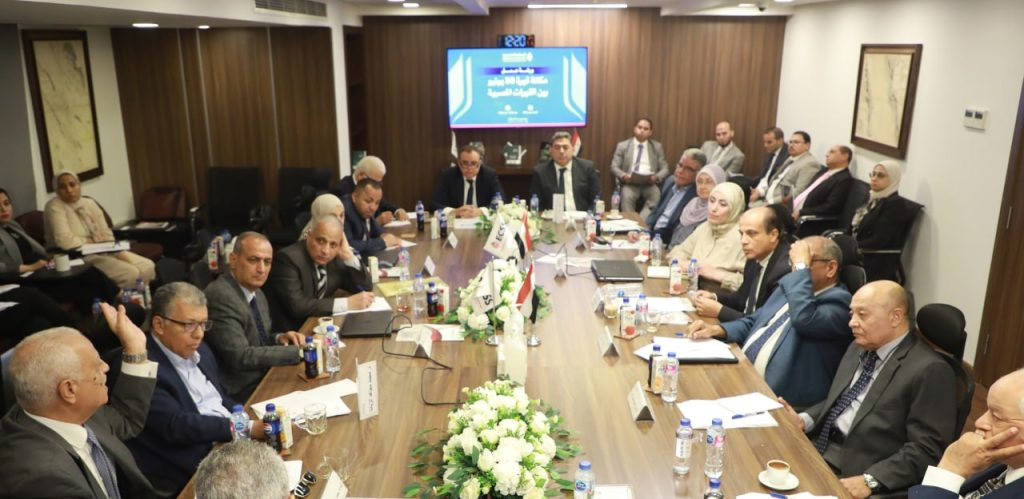
The workshop sought to situate the June 30, 2013 Revolution within the broader historical context of Egypt’s numerous revolutions across different historical eras. It also aimed to conduct an appropriate historical and analytical comparison between the June 30 Revolution and the most prominent revolutions witnessed throughout the various periods of Egyptian history — ancient, Islamic, modern, and contemporary — in order to identify the similarities and differences between the June 30 Revolution and its predecessors, highlight the distinctive characteristics that set it apart from earlier revolutions, and draw lessons from examining the June 30 Revolution against the backdrop of Egypt’s previous revolutions.

The workshop was divided into three main sessions. The first session addressed “The Place of the June 30 Revolution Among the Revolutions of Ancient Egyptian History,” focusing on the role of the military establishment, the religious dimension, the preservation of national identity, and social dimensions.
The second session, titled “The June 30 Revolution Among Egyptian Revolutions in the Islamic Era,” examined the various dimensions of comparison between the June 30, 2013 Revolution, on the one hand, and popular revolts during the Fatimid era, the revolt against Turan Shah in 648 AH, and revolts during the Mamluk era, on the other.
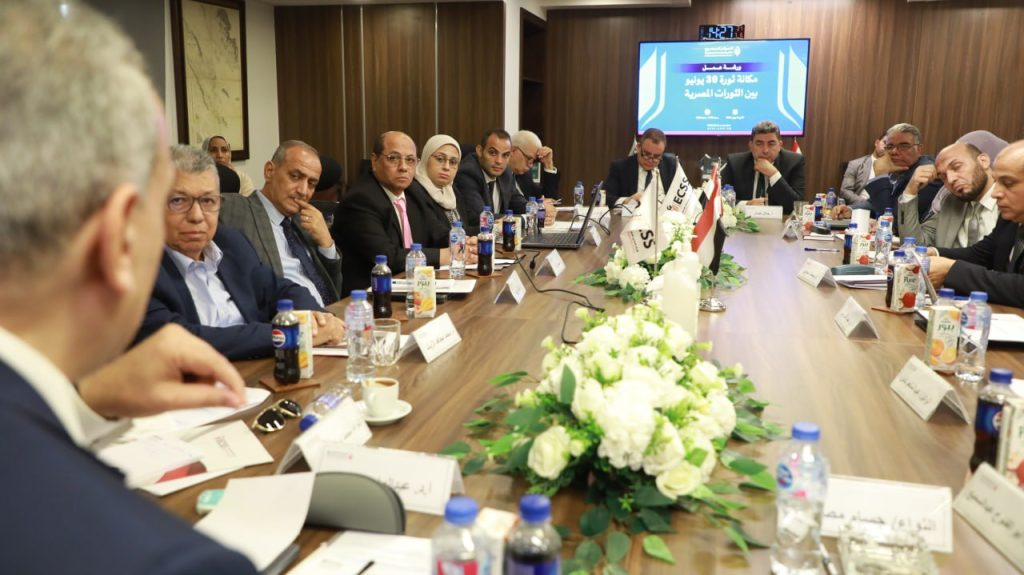
The third session, titled “The June 30 Revolution Among Egyptian Revolutions in Modern and Contemporary History,” sought to place the June 30 Revolution within the context of Egypt’s modern revolutions, beginning with the two Cairo revolts during the French Campaign, the 1805 revolt against Khorshid Pasha, the 1919 Revolution, and the July 23, 1952 Revolution. The session highlighted common factors linking these revolutions, including the role of religious institutions, popular will, Egyptian identity, and the position of the terrorist Muslim Brotherhood.

Based on the research papers presented and the substantive discussions among participants, the workshop produced a broad range of findings demonstrating the remarkable continuity that has characterized the Egyptian political character. Egyptians have consistently viewed revolution as an exceptional means of correcting the course of events whenever the foundations of the state are destabilized, rather than as a tool for destroying the state or undermining its institutions. Accordingly, June 30 represents a contemporary chapter in a long historical trajectory aimed at preserving the nation-state and restoring its capacity to perform its functions.
The papers and discussions also demonstrated that the Egyptian character and society possess a distinctive perspective for assessing whether events are unfolding along the proper course. Drawing on numerous experiences throughout Egyptian history, this perspective is rooted in a combination of deeply embedded religious, national, and civilizational values. In ancient times, these values were embodied in the concept of “Ma’at,” with its principles of truth and morality governing the universe, governance, society, and the individual.
Egyptian revolutions throughout history, including the June 30 Revolution, also reveal Egyptian society’s particular sensitivity to its identity and, consequently, its rejection of any attempt to undermine that identity in civilizational, religious, or cultural terms. Egyptian society likewise rejects any external tutelage over its national decision-making or foreign encroachment that affects the integrity of the state or its social and economic equilibrium. Moreover, Egyptian revolutions demonstrate that overcoming major crises has consistently depended on the complementary roles of state institutions, foremost among them the military and religious establishments, alongside other national institutions, as pillars for safeguarding the unity of the state and preserving social cohesion.

The workshop demonstrated that the June 30 Revolution represents a contemporary milestone that can be understood within a longstanding historical pattern in which preserving the nation-state, safeguarding identity, and protecting social cohesion have remained among the foremost constants shaping Egyptian political consciousness across different historical eras.