







The regional security landscape has recently experienced a series of significant developments, leading to a tipping point that could either plunge the region into chaos or signal a calculated, incremental escalation resulting from the Israeli offensive on the Gaza Strip. Within this framework, Israel has undertaken a series of operations, embodying a strategy that could be described as “heating up the fronts.” This began with the Israeli strike on Yemen’s al-Hudaydah port and continued with the assassination of Ismail Haniyeh, the former head of Hamas’ political bureau, in Tehran, as well as the killing of prominent Hezbollah military figure Fouad Shukr in Beirut’s southern suburb. The escalation further intensified with the increase in Israeli attacks in Gaza, including a new phase of military operations in Khan Yunis and the brutal massacre on August 10 at the al-Tabaeen school housing displaced persons in Gaza City’s al-Daraj neighbourhood, claiming the lives of about 100 Palestinians and injuring dozens more.
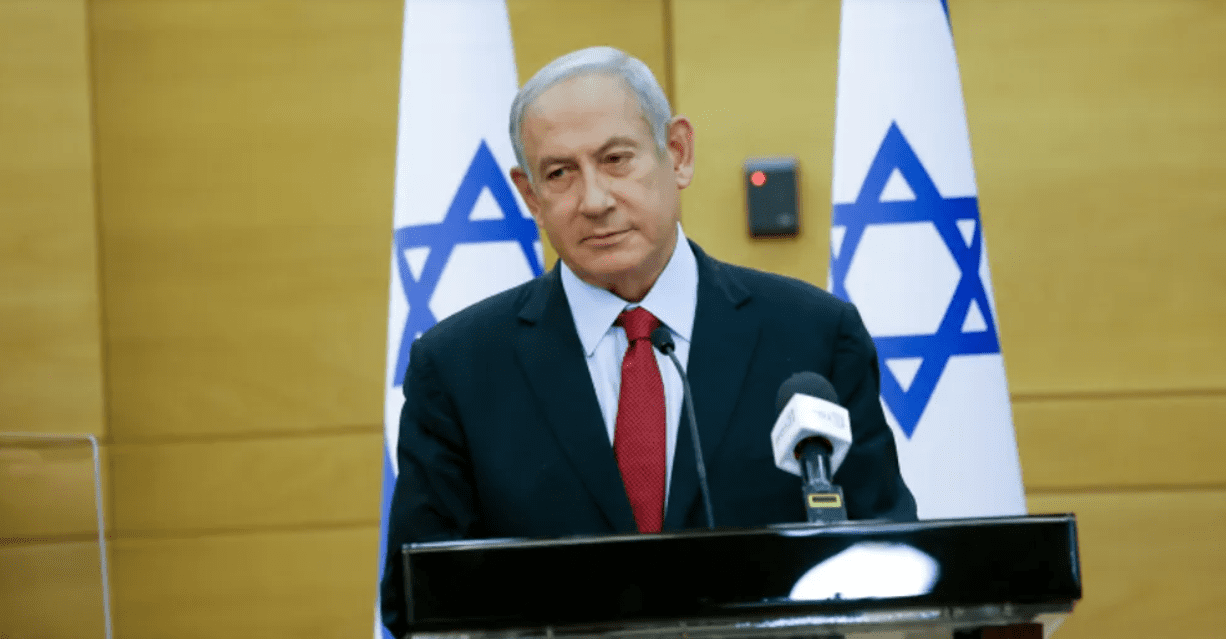
These developments will inevitably have direct repercussions, both on the trajectory of the Israeli war on Gaza and the ceasefire negotiations and on the broader regional escalation, especially considering the anticipated responses from Iran and Hezbollah to these recent events. To better grasp the unfolding dynamics and future trends of this conflict in light of these developments, it is crucial to examine what might be termed Netanyahu’s “hit list,” given that Netanyahu and his personal agenda represent the most challenging factor in this conflict, with his actions being driven by his own political calculations and those of the ruling coalition in Israel.
I. Shifts in Dynamics amid the Ongoing Escalation
The regional landscape surrounding Israel’s war on the Gaza Strip, now in its tenth month, has been shaped by a series of crucial military and political trends. These shifts complicated the overall dynamics of the conflict. The key developments can be summarized as follows:
1. Israeli Strikes on Yemen’s al-Hudaydah Port: The unfolding series of escalations tied to the 10-month Gaza war took a decisive turn on July 19, when the Yemeni Houthi group launched a drone attack deep into Israeli territory. The next day, Israel responded with simultaneous strikes on the Yemeni port of al-Hudaydah, which sits on the Red Sea. This escalation carries significant weight for several reasons. Firstly, it marked a shift towards direct confrontations between Israel and the Houthis. Secondly, it signalled Israel’s readiness to engage on multiple fronts, suggesting a willingness to disregard traditional rules of engagement. Thirdly, the Houthis’ ability to target Tel Aviv itself highlighted the development of their military capabilities, extending their reach far beyond the coastal regions they had previously targeted since the regional escalation began on October 7, 2023.
2. Israeli Assault on Beirut’s Southern Suburb: The Lebanese front, located north of the occupied territories, has been one of the most volatile areas over the past period, particularly in military terms. This volatility was underscored by the Israeli operation on July 30, 2024, targeting Beirut’s southern suburb and resulting in the death of Fouad Shukr, Hezbollah deputy chief, who had been pivotal in directing the group’s combat efforts over the past ten months. Indeed, the strike marks a significant shift in the escalation between Hezbollah and Israel on multiple levels. First, it constituted a direct Israeli assault on Beirut’s southern suburb, blatantly violating all established rules of engagement. Second, it inflicted a severe blow on Hezbollah by eliminating one of its key military figures amid the ongoing conflict. Third, according to Hezbollah’s Secretary-General, Hassan Nasrallah, this operation signals “the beginning of a new phase,” where the focus will shift from supporting the Palestinian resistance to launching open warfare. Finally, the strike will likely compel Hezbollah to reorganize and restructure its military wing in the coming period, as well as to adopt tactical measures aimed at achieving deterrence and delivering a fitting response, inevitably leading to further escalation.
3. The Assassination of Ismail Haniyeh in Tehran: In the wake of Fouad Shukr’s killing, Israel—though not officially admitting it—executed one of the most significant assassinations since the war began by targeting Ismail Haniyeh, the head of Hamas’ political bureau, on July 31, 2024. This occurred during his visit to Tehran for the inauguration of Iran’s new president, Masoud Pezeshkian. The significance of this operation stemmed from several key factors. First, the nature of the target was crucial—Ismail Haniyeh was the most prominent political figure within Hamas, and he served as the lead negotiator in all the major diplomatic discussions. Second, the assassination took place in Tehran, deep within Iranian territory, specifically in an Islamic Revolutionary Guard Corps (IRGC) facility, signaling that the attack was a direct challenge to Iran as well as Hamas. Third, the timing of the operation, coinciding with the swearing-in of Iran’s new president, was a calculated effort to exert pressure by causing embarrassment both domestically and among Iran’s regional proxies.
Perhaps the most significant repercussion of Haniyeh’s assassination was the quick succession by Yahya Sinwar, officially announced on August 6, 2024. This shift positions Sinwar as Hamas’ most influential figure on both political and military fronts.
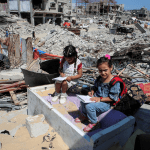
4. Israel Escalates the Gaza Front: Amid the broader regional escalation Israel has pursued in recent days, Netanyahu has taken steps to further intensify the conflict in Gaza. This escalation has been marked by two critical developments. The first occurred on August 9, when Israel announced the launch of a new phase of intensified military operations in the Khan Yunis region in southern Gaza. The second, more tragic development was the massacre that unfolded on August 10, as Israeli forces targeted the al-Tabaeen school in the al-Daraj neighbourhood of eastern Gaza City, a refuge for displaced persons. This attack resulted in the deaths of nearly 100 Palestinians and left dozens more wounded, underscoring Netanyahu’s tactic of blending “precision operations” with sustained, brutal campaigns within the Gaza Strip.
5. The Egypt-US-Qatar Statement on Gaza: On August 15, President Abdel Fattah El-Sisi, US President Joe Biden, and the Emir of Qatar, Sheikh Tamim bin Hamad Al Thani, issued a joint call for Israel and Hamas to resume ceasefire negotiations regarding Gaza. In their joint statement, they asserted: “It is time to bring immediate relief both to the long-suffering people of Gaza as well as the long-suffering hostages and their families. The time has come to conclude the ceasefire and hostages and detainees release deal.” The significance of this joint declaration can be attributed to several key factors. First, it reflects a unified political will for an immediate cessation of hostilities. Second, it outlines a timeline and logistical framework for ceasefire talks. Third, the timing of the statement is crucial, emerging amidst a complex web of regional developments amid ongoing escalations and its call for presenting a definitive ceasefire proposal ensures addressing contentious issues directly.
II. Understanding Netanyahu’s Goals
Understanding the current escalation in the region and the ongoing Israeli war on Gaza requires examining the objectives driving Prime Minister Netanyahu’s strategy. These goals can be summarized as follows:
1. Prolonging and Expanding the War: It’s no exaggeration to claim that Israeli Prime Minister Benjamin Netanyahu stands as the greatest beneficiary of the ongoing war on the Gaza Strip and its broadening to additional fronts. By prolonging this conflict, Netanyahu ensures the stalling of his judicial proceedings within Israel, extends the political lifespan of the far-right government, diverts international attention away from the war crimes in Gaza, and garners increased support, especially from the United States, by continually framing the conflict as a confrontation with Iran and its allied factions—the familiar spectre he frequently invokes to rally Western backing.
2. Strategic Time-Play: Netanyahu seems to be wagering on time as his most valuable asset, using deliberate military escalation to stretch the conflict’s duration. His aim is multi-faceted: first, he seeks to drag out the conflict until the conclusion of the US elections, possibly aligning with a Trump presidency, which could offer him additional support. Second, prolonging the war and intensifying regional tensions ensures that the international community’s focus shifts to mitigating escalation rather than holding him accountable for the war crimes in Gaza. Third, the additional time will allow Netanyahu to further dismantle Hamas and achieve more military progress. This protracted tension, according to Netanyahu’s plan, is a key move to solidify Israel’s position at the negotiation table.
3. Strategic Calculations within the Israeli Interior: Netanyahu’s approach to managing the current stage of the conflict seems deeply entwined with reshuffling the Israeli political landscape. In other words, his strategy involves escalating tensions across all fronts to achieve several domestic objectives. On the one hand, by intensifying the conflict, Netanyahu aims to placate the extreme right wing, thereby delaying or preventing the collapse of his ruling coalition. He also seeks to leverage the recent operations—such as the assassinations of Fouad Shukr, Ismail Haniyeh, and Mohammed Deif (according to Israeli statements)—to bolster the notion of an “absolute victory” and regain internal legitimacy for his military campaign, as well as to restore his popularity, which has waned significantly since Operation Al-Aqsa Flood. Additionally, Netanyahu is using the ongoing conflict to undermine and displace dissenting voices within the Israeli security apparatus. This was highlighted by a report from the Israeli Broadcasting Authority on August 3, which indicated Netanyahu’s intent to oust dissenting voices within the Israeli security establishment, with recent reports suggesting plans to replace Defense Minister Yoav Galant, Chief of Staff Herzi Halevi, and director of the Israeli Security Agency Ronen Bar with allies more in tune with his agenda. Finally, Netanyahu is exploring additional strategies to manage internal pressures. This includes expanding the coalition by incorporating Gideon Sa’ar’s New Hope party, which was highlighted by the Hebrew newspaper Maariv on August 5, 2024. This expansion could neutralize the influence of the extreme right and opposition factions. Additionally, by capitalizing on the Knesset’s summer break, Netanyahu is effectively working to alleviate immediate internal pressures and delay contentious debates and threats to his government until the Knesset reconvenes.
4. Dodge Tactics: Netanyahu’s strategy appears to be one of diplomatic evasion. He dispatches delegations with limited mandates to negotiate through various intermediaries, all while intensifying military operations on the ground. This tactic of misdirection is highlighted by a recent report from Israeli Channel 12, which uncovered that Shabak, Mossad leaders, and military representatives have sharply criticised Netanyahu, blaming him for the breakdown in ceasefire negotiations and the continued detention of prisoners.
5. The US Factor in Netanyahu’s Strategy: Netanyahu’s broader strategic calculations, whether related to intensifying military fronts or executing targeted operations like the recent assassinations of Hamas and Hezbollah leaders, are significantly influenced by what might be termed the “American factor.” Central to his approach is the belief that the US political landscape, particularly Joe Biden’s withdrawal from the presidential race and Kamala Harris’s candidacy, might result in minimal US pressure to end the conflict before the elections. Moreover, Netanyahu’s reliance on continued strong support from Washington, highlighted by Yedioth Ahronoth’s August 5 report about a US assurance allowing the war to resume after a deal with Palestinian resistance, is crucial to his calculations. Lastly, Netanyahu is likely betting on Donald Trump’s return to power, which he believes would bring him further advantages.
In short, recent developments in the Israeli war on Gaza, particularly the latest military actions, appear to be intensifying complications for ceasefire negotiations while simultaneously heightening regional security tensions. This escalation could reach a boiling point if Iranian and Hezbollah responses to the recent Israeli actions surpass established engagement norms. Israel’s actions have already breached these limits, and there are growing reports that Iran’s hardline wing is advocating for a comprehensive and forceful response to the escalating situation.