



By using ECSS site, you agree to the Privacy Policy and Terms of Use.
Accept
ECSS - Egyptian Center for Strategic StudiesECSS - Egyptian Center for Strategic Studies
  • Home
  • International Relations
    International Relations
    Show More
    Top News
    The European Union: Domestic crises and reduced foreign influence
    June 22, 2020
    The Annoying Ally: Will Biden alter the nature of relations with Ankara?
    March 3, 2021
    Afghan Refugees: 40 Years of Suffering
    September 26, 2021
    Latest News
    Ethiopia’s 2026 elections: Procedural modernization and the limits of political inclusiveness
    June 20, 2026
    A historic role: Egypt and the Palestinian cause since 1948
    May 23, 2026
    Employing maritime corridors in conflicts: Lessons learned
    May 20, 2026
    Israel’s security and economic conundrum:How does Israel confront the challenges of a protracted war with Iran?
    May 2, 2026
  • Defense & Security
    Defense & Security
    Show More
    Top News
    Reopening Libya’s coastal road: What’s next for the parties involved?
    August 24, 2021
    Ukraine’s Special Operation: A Stopgap
    August 1, 2023
    The Saviz strike: A shift in Israeli-Iranian vessel war
    April 22, 2021
    Latest News
    Between two camps: Reading into ISIS discourse on the US-Israeli war on Iran
    April 15, 2026
    Encrypted messages “Roaring Lion”: The hidden messages behind the name of the operation against Iran
    March 11, 2026
    Iran war developments
    March 9, 2026
    Manufacturing the enemy : Reframing terrorism in contemporary Western discourse
    March 7, 2026
  • Public Policy
    Public Policy
    Show More
    Top News
    A Shift in Education: Teaching “Values and Respect for the Other”
    January 4, 2021
    Global Trend: Taxing Bloggers and Online Content Creators
    Global Trend: Taxing Bloggers and Online Content Creators
    December 7, 2021
    Is the New Egyptian Curriculum Green?
    November 1, 2022
    Latest News
    Commentary| Economy, education and the challenge of gaps
    September 2, 2026
    A different picture: The US economy in the wake of the shock of the Iran war
    July 20, 2026
    Egyptian tourism and cruise ships: Efforts yet to bear fruit
    July 8, 2026
    US trade policy in 2026: International moves and strategic implications
    May 25, 2026
  • Analysis
    • Opinion
    • Analysis
    • Situation Assessment
    • Readings
  • Activities
    • Conferences
    • ECSS Agenda
    • Panel Discussion
    • Seminar
    • Workshops
  • ECSS Shop
  • العربية
  • Defense & Security
  • International Relations
  • Public Policy
All Rights Reserved to ECSS © 2022,
Reading: October 6 in Global Strategy, by Dr. Gamal Hamdan
Share
Notification Show More
Latest News
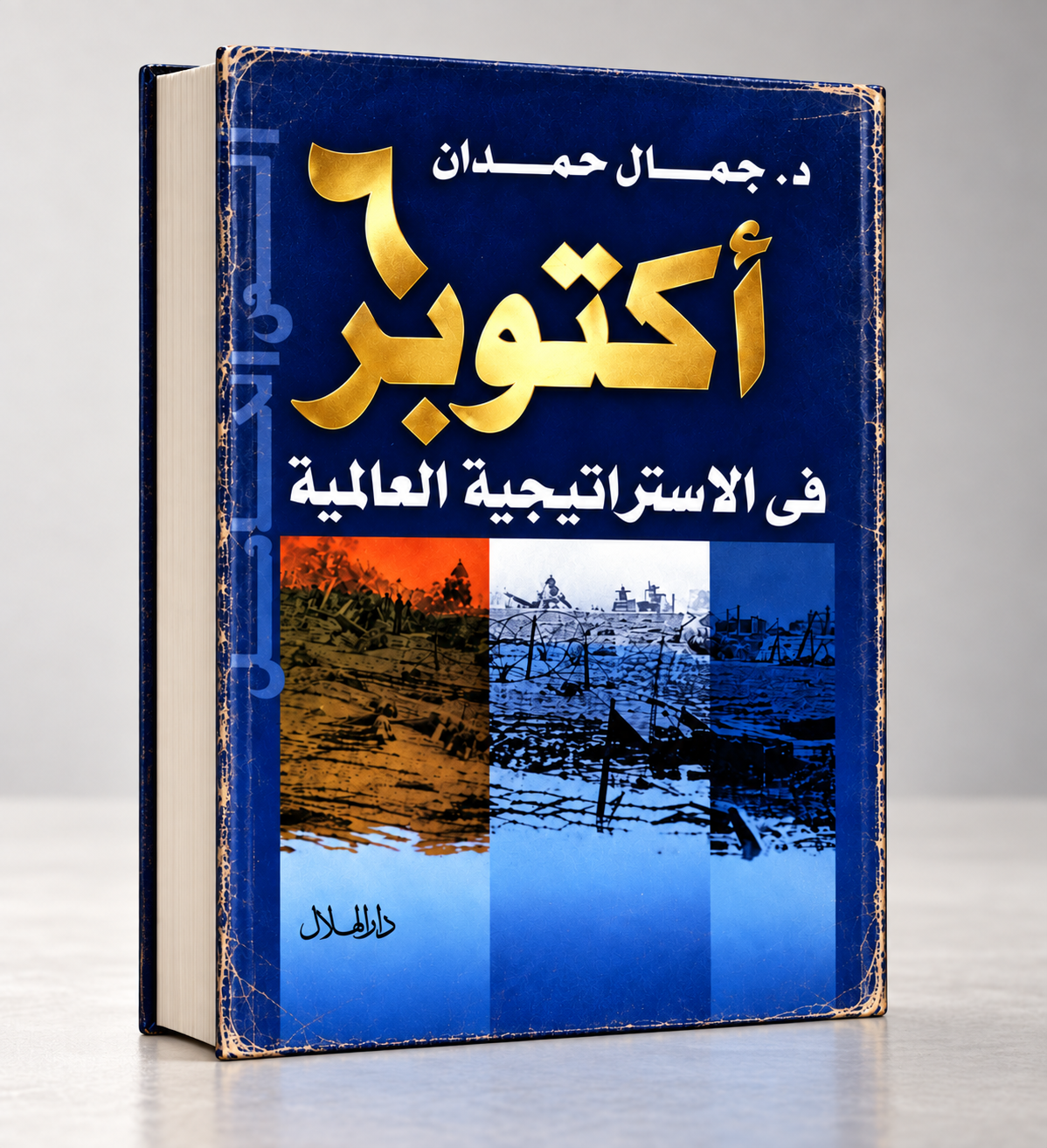
October 6 in Global Strategy, by Dr. Gamal Hamdan
Book review Books Unit for Studies of National Identity, Values, and Beliefs in Egypt
On the Anniversary of the October 6 Victory: The Doctrine of Blood and Fire… From Pre-State Gangs to Gaza and Settlement Expansion
Analysis
Key findings and conclusions of the workshop on “Innovation from Within and Egyptian-Branded Manufacturing”
Activities & Events Workshops
Egyptian Center for Strategic Studies honors winners of its first research competition
Activities & Events
Egyptian Center for Strategic Studies holds workshop on “Innovation from Within and Egyptian-Branded Manufacturing”
Activities & Events
Aa
ECSS - Egyptian Center for Strategic StudiesECSS - Egyptian Center for Strategic Studies
Aa
  • اللغة العربية
  • International Relations
  • Defense & Security
  • Special Edition
  • Public Policy
  • Analysis
  • Activities & Events
  • Home
  • اللغة العربية
  • Categories
    • International Relations
    • Defense & Security
    • Public Policy
    • Analysis
    • Special Edition
    • Activities & Events
    • Opinions Articles
  • Bookmarks
Follow US
  • Advertise
All Rights Reserved to ECSS © 2022, Powered by EgyptYo Business Services.
Book reviewBooksUnit for Studies of National Identity, Values, and Beliefs in Egypt

October 6 in Global Strategy, by Dr. Gamal Hamdan

ECSS Team
Last updated: 2026/10/06 at 8:42 PM
ECSS Team
Share
16 Min Read
SHARE

Dr. Gamal Mahmoud Saleh Hamdan (1928-1993) is regarded as one of the most profound geographical and strategic thinkers Egypt produced in the 20th century, and the founder of a distinctive school of thought in political and strategic geography. He earned a Ph.D. in the philosophy of geography from the University of Reading in in the UK 1953. Over the course of his academic career, he produced 29 books and 79 research papers and articles, foremost among them his renowned encyclopedic work, The Personality of Egypt: A Study of the Genius of Place, which is considered one of the most important works written on the interpretive and civilizational geography of Egypt.

Dr. Hamdan’s 11-chapter book is firmly rooted in the geographical-strategic approach that shaped all his works: viewing a political or military event as the product of interconnected geographical, human, and historical factors, rather than as an isolated occurrence detached from its broader spatial and temporal context. This explains why the book begins with an extended geographical chapter on Sinai before delving into the details of the military and political battle.

Hamdan explains that his objective in the book is to provide a systematic scholarly account of the October battle, one that does not examine it in isolation from its broader context, but places it within the framework of the entire existential conflict. Hamdan strongly rejects reducing the significance of the October War to merely the objective opposite of the setback of June 1967, describing it instead as a great war of liberation. He emphasizes the need to view it through a broader global perspective extending beyond the local and regional framework, describing it as — not merely a local military event, but — one of the most consequential turning points in global strategy.

In the introduction, Hamdan opens his book by emphasizing the October War’s defining historical significance, stressing that the battle cannot be separated from the broader Arab-Israeli conflict or from the wider international balance of power.

“Egypt’s Holy of Holies”: Hamdan opens his book with an extensive geographical and strategic study of the Sinai Peninsula, describing it as Egypt’s “Holy of Holies” and the principal theater of the battle. He then outlines the broad features of Sinai’s human and military geography, its resources and population, as well as its strategic significance and history, concluding with a discussion of the meaning of the Egyptian presence in Sinai and the future of that presence. This underscores Hamdan’s view that geography is not merely a descriptive backdrop to a military event, but a key to understanding it.

Under the title “The Great Battle of Liberation,” Hamdan explains how the enemy waged a fierce psychological warfare campaign that had been carefully planned, seeking to undermine Arab self-confidence through the myth of an invincible defense army and absolute technological and air superiority. The chapter then moves to the details of planning the crossing operation and its various stages: its preparations and plans, followed by its major military phases, beginning with the historic crossing and the storming of the Bar Lev Line, the liberation of the broad land bridge in western Sinai, and finally the Israeli infiltration operation known as the “Gap” in the Deversoir area and its repercussions.

Hamdan discusses “the Strategy of the Battle” through a detailed examination of its tactical and strategic dimensions, employing a rigorous military analytical approach. He describes H-Hour and the launch of the major Egyptian air strike. The chapter also documents the simultaneous firing of more than 2,000 artillery pieces in a comprehensive barrage against the positions of the Bar Lev Line, as well as artillery and reserve concentrations, paving the way for the major crossing operation and the securing of bridgeheads. The chapter further examines the elements of initiative and surprise in Egyptian strategic doctrine, including the assembly of forces four months before the battle and the deployment of the main forces during the three weeks preceding the war. It also examines the extremely careful selection of the timing of the war, taking into consideration the most favorable political circumstances, the most suitable day of the week, and the optimal hour for the crossing.

The author also presents the concept of “Total War,” explaining that it is a form of warfare in which all the resources and capabilities of the state — political, diplomatic, economic, and social — are mobilized, alongside all branches of its land, naval, and air forces, in support of the military operation and its success.

Hamdan devotes an entire chapter to “The Great Syrian Battle,” in which he analyzes the Syrian front, emphasizing Syria’s distinctive and prominent strategic and political position among the Arab states. He describes Syria as one of the pioneers of Arab nationalism since the Islamic era, and its front in the Arab-Israeli conflict as geographically significant and militarily formidable — one that consistently maintained a balance with the enemy and imposed countervailing strategic pressures that divided its attention. He further emphasizes that the full coordination between the Syrian and Egyptian fronts in terms of timing, planning, and escalation together formed a strategic pincer that, for the first time, effectively confronted the enemy with the dilemma of fighting a war on two fronts simultaneously.

Under the heading “Victory for Whom?” Hamdan raises a question that remained the subject of debate for some time: Was October truly a war of liberation, or merely a war of maneuver that fell short of achieving complete victory? He opens the chapter by examining the enemy’s position, emphasizing the established fact that the enemy had lost the military battle before the political battle even began. At the same time, however, it waged a skillful and vociferous propaganda campaign on the global stage, through which it sought to obscure the truth and distort the picture of the situation.

Given the significance of the October War, Hamdan assigns an important chapter the title “October 6 and Military and Regional Strategy.” In this chapter, he asserts that the October War represented a radical strategic revolution that overturned many of the established concepts of both conventional and unconventional warfare and profoundly influenced the principles of military geography. Its impact was so significant that military circles and academies devoted themselves to studying its outcomes and implications. He then draws regional comparisons between the October War and the local wars that most closely resembled it in military and political terms.

Hamdan was fully aware of the role of the Arabs in the war, which is why he titled the seventh chapter “The Arabs and October 6.” He explains the Arabs’ position in the battle, where they stood before it, and the impact of the June defeat on them, before examining the transformation brought about by October in the Arab world. The chapter also links the battlefield confrontation to the oil battle, which represented the other face of the October War and its complementary instrument, describing the oil war primarily as a battle with global dimensions.

In the eighth chapter, “October 6 and the Israeli Enemy,” Hamdan expands his analysis of the arrogant and overconfident enemy before October, examining its plans, projects, intentions, statements, provocations, and acts of aggression before turning to the image reflected in the Israeli mirror after the war: psychological collapse, strategic disequilibrium, the collapse of the regional strategy, and, ultimately, the fracturing of the Israeli security doctrine.

When Hamdan titled a chapter “The World and the Battle,” he was keen to highlight the global significance of the October War. The author begins by discussing the view that the October battle represented a decisive turning point in modern Arab history, or a historical dividing line in the Arab-Israeli conflict. He goes further, however, arguing that, in his assessment, it also constituted a turning point in the history of the contemporary world and in global politics. He analyzes, in succession, the battle’s impact on détente between the two superpowers, Western Europe, Africa, and, finally, the United States itself and its relationship with the Israeli enemy.

Hamdan did not overlook future prospects. He devoted a chapter of this distinguished book to the subject and drew a precise methodological distinction between two fundamental objectives of the conflict after October. The short-term objective was the removal of the consequences of aggression, meaning a return to the situation before June 1967 — directly, without postponement, bargaining, or partial solutions. The long-term objective was the fundamental question of Palestine in all its historical dimensions: the historical right, the usurped homeland, the displaced people, and the right of return. This necessarily also entailed the question of the Israeli presence and the Zionist usurpation of occupied Palestinian land. He further addressed the “Future of the Conflict” in a final chapter, in which he examined the nature and future of the Arab-Israeli conflict, describing it as complex and multifaceted, with multiple levels and objectives. It is simultaneously a struggle for survival and destiny — a struggle over existence, not borders; a struggle between right and hatred, rather than between two competing rights, as the Zionists falsely claim. It is also a clash of civilizations, a struggle between nationalisms, and a conflict of religions. Geographically, its arena extends from the local sphere to virtually every corner of the world; historically, its reach encompasses the past, present, and distant future. Hamdan also points to the multiplicity of parties to the conflict: the Palestinians and Arabs on one side, and the Zionist front and global imperialism — particularly the Israel-United States axis — on the other.

In conclusion, the book is distinguished by the depth of its author’s scholarly background as a strategic geographer, which lends his analyses a degree of precision and academic rigor rarely found in the rapid journalistic or propagandistic writings that appeared in the immediate aftermath of the October War. He does not limit himself to a military account of events on the battlefield, but extends his analysis to the political, economic, psychological, and global strategic dimensions of the war, in a serious attempt to place the October War within its broader global context.

The book also represents a model of intellectual courage and critical inquiry, as the author does not hesitate to confront contentious and skeptical questions regarding the scale of the Arab achievement, rather than simply adopting a one-sided celebratory narrative. The book’s early date and its close proximity to the events themselves — having been written in the months immediately following the war — also enhance its documentary value as a contemporary analytical testimony by a distinguished strategic thinker who witnessed the details of the event firsthand, rather than writing about it decades later through the lens of selective recollection.

The book stands as one of the most important foundational Arab references for analyzing the 1973 October War from a comprehensive geographic-strategic perspective, as well as one of the most significant examples of an immediate, contemporaneous reading of a major military and political event, before subsequent layers of interpretation and political instrumentalization accumulated around it. It remains a valuable scholarly reference for students of military geography and the history of the October War, owing to its analytical precision, methodological rigor, and enduring intellectual value in distinguishing systematically between the short- and long-term dimensions of the Arab-Israeli conflict — a distinction that, despite the decades that have passed since the book was written, remains highly relevant to understanding the complexities of the Palestinian question today.

Related Posts

On the Anniversary of the October 6 Victory: The Doctrine of Blood and Fire… From Pre-State Gangs to Gaza and Settlement Expansion

Reinventing the Middle East The day after the “birth of the alternative”

Egyptian popular consciousness and the 30 June Revolution: A historical reading

Reshaping the US position toward Israel: From the erosion of the old consensus to a new conflict across parties, state, and society

TAGGED: 1967 Arab-Israeli War, 1973 Arab-Israeli War, 1973 geopolitical analysis, 1973 military analysis, 1973 military lessons, 1973 oil crisis, 1973 strategic analysis, 1973 war consequences, 1973 war legacy, 1973 war operations, 1973 war planning, 1973 war scholarship, 1973 war strategy, 2000 artillery pieces, 20th century Egyptian intellectuals, 6 October 1973, 6 October anniversary, academic geography, academic reference, academic rigor, academic scholarship, adaptation in warfare, Africa and October War, African geography, African geopolitics, African response to October War, aftermath of 1967, Agranat Commission, air power, anti-colonial struggle, Arab coalition, Arab confidence, Arab deterrence, Arab diplomacy, Arab geopolitical thought, Arab history, Arab international relations, Arab liberation, Arab media and October War, Arab military achievement, Arab military cooperation, Arab military geography, Arab military heritage, Arab military historiography, Arab military history, Arab nationalism, Arab nationalism and Zionism, Arab oil embargo 1973, Arab oil policy, Arab oil weapon, Arab regional security, Arab role in October War, Arab school of strategic thought, Arab Security, Arab States, Arab strategic balance, Arab strategic geography, Arab strategic reassessment, Arab strategic thought, Arab victory narrative, Arab-Israeli conflict, Arab-Israeli wars, Arab-Zionist conflict, Arabs and October 6, armored warfare, art of war, artificial frontiers, artillery barrage, artillery power, Asian geography, Asian geopolitics, balance of deterrence, balance of power, Bar Lev Line, Bar Lev Line defenses, battlefield intelligence, battlefield leadership, battlefield logistics, border geography, border security, breaching the Bar Lev Line, bridge between continents, bridgehead operations, broader conflict framework, ceasefire diplomacy, changing warfare, Chinese Farm, civilizational geography, Clash of Civilizations, clash of nationalisms, classic Arab strategic studies, classic Egyptian strategic studies, Cold War, Cold War Middle East, Cold War strategy, combined arms, comprehensive analysis, comprehensive national strategy, comprehensive strategic analysis, comprehensive study, comprehensive warfare, concept of total war, conflict over identity, conflict over territory, consequences of 1967 war, consequences of aggression, contemporaneous analysis, contemporary Arab history, contemporary Arab political history, contemporary Egyptian thinkers, contemporary history research, contemporary testimony, contemporary warfare, contemporary world history, contested narratives, context of conflict, conventional warfare, coordinated attack, coordinated fronts, coordinated operations, critical inquiry, crossing bridges, crossing of the Suez Canal, crossing operation, day of attack, decolonization and Middle East, defense planning, defensive operations, defensive strategy, détente, deterrence strategy, Deversoir, Deversoir Gap, diplomatic consequences of October War, diplomatic mobilization, diplomatic timing, disengagement agreements, doctrine of deterrence, documentary value, Eastern Mediterranean, economic consequences, economic consequences of October War, economic context of war, economic mobilization, economic pressure, economic warfare, Egypt and Israel, Egypt and Palestine, Egypt and the Arab world, Egypt as a geopolitical pivot, Egypt as a regional power, Egypt foreign policy, Egypt Israel conflict, Egypt Israel War, Egypt's Genius of Place, Egypt's geographic personality, Egypt's geopolitical position, Egypt's military geography, Egypt's national geography, Egypt's regional role, Egypt's strategic depth, Egypt's strategic location, Egyptian Air Force, Egyptian air strike, Egyptian Armed Forces, Egyptian Army, Egyptian artillery barrage, Egyptian bridgeheads, Egyptian command, Egyptian deception plan, Egyptian diplomacy, Egyptian diplomacy in 1973, Egyptian foreign policy during October War, Egyptian geographer, Egyptian geography, Egyptian geopolitical thought, Egyptian intellectual history, Egyptian military achievement, Egyptian military commemorations, Egyptian military doctrine, Egyptian military geography, Egyptian military heritage, Egyptian military historiography, Egyptian military history, Egyptian military history 1973, Egyptian military leadership, Egyptian military operations, Egyptian military preparations, Egyptian military strategy, Egyptian national celebrations, Egyptian national identity, Egyptian national security, Egyptian Navy, Egyptian political geography, Egyptian political history, Egyptian scholars, Egyptian school of geography, Egyptian school of strategic thought, Egyptian security, Egyptian sovereignty over Sinai, Egyptian strategic doctrine, Egyptian strategic geography, Egyptian strategic heritage, Egyptian strategic reassessment, Egyptian strategic surprise, Egyptian strategic thinker, Egyptian strategic thought, Egyptian territorial identity, Egyptian territory, Egyptian thinkers, Egyptian victory narrative, Egyptian war plan, Egyptian war planning, Egyptian war strategy, Egyptian-Israeli disengagement, Egyptian-Israeli front, Egyptian-Syrian coordination, Egyptian-Syrian military coordination, encyclopedic analysis, enduring relevance of October War, energy geopolitics, energy warfare, engineering corps, Eurasian geopolitics, European response to October War, evolution of military doctrine, evolution of military strategy, existential conflict, existential conflict framework, existential struggle, firsthand analysis, force buildup, force concentration, force mobilization, foundational Arab reference, foundational work on October War, four months before war, future of Arab-Israeli conflict, future of the conflict, Gamal Hamdan, Gamal Hamdan and Arab-Israeli conflict, Gamal Hamdan and Egypt, Gamal Hamdan and Egyptian identity, Gamal Hamdan and geopolitics, Gamal Hamdan and military geography, Gamal Hamdan and national security, Gamal Hamdan and October War, Gamal Hamdan and Sinai, Gamal Hamdan and strategic geography, Gamal Hamdan book, Gamal Hamdan geography, Gamal Hamdan intellectual legacy, Gamal Hamdan legacy, Gamal Hamdan methodology, Gamal Hamdan military geography, Gamal Hamdan October 1973, Gamal Hamdan October War, Gamal Hamdan political geography, Gamal Hamdan scholarship, Gamal Hamdan strategic analysis, Gamal Hamdan writings, Gamal Mahmoud Hamdan, Geneva Conference, Genius of Place, geographic determinism, geographic factors in warfare, geographic human historical factors, geographic resources, geographic strategic framework, geographic unity of Egypt, geographic-strategic approach, geographical analysis, geographical strategy, geographical thought, geography and geopolitics, geography and military strategy, geography and national security, geography and power, geography and war, geography of conflict, geography of Egypt, geography of military operations, geography of national security, geography of security, geography of the Arab-Israeli conflict, geopolitical analysis, geopolitical competition, geopolitical conflict, geopolitical conflict analysis, geopolitical consequences, geopolitical literature, geopolitical significance of October War, geopolitical strategy, geopolitical studies, geopolitical thinkers, geopolitical thought, geopolitics and power, global balance of power, global dimensions of war, global economic impact, global energy security, global geopolitics, global imperialism, global political consequences, global politics, global response to October War, global significance of October War, global strategic consequences, global strategic context, global strategic environment, global strategic history, global strategic transformation, global strategic turning point, global strategy, Golan Heights front, grand strategy, great battle of liberation, Great Crossing, great power politics, ground warfare, H-Hour, Henry Kissinger, historical analysis, historical context of war, historical documentation, historical geography, historical geography of Sinai, historical memory of October War, historical narratives, historical Palestine, historical reference, historical scholarship, historical significance of October War, historical turning point, history of Egypt, history of military strategy, history of strategic thought, history of warfare, holistic analysis, human geography, human geography of Sinai, impact on military academies, imperialism and Middle East, imperialism in Middle East, information warfare, innovation in warfare, instruments of national power, integrated strategic analysis, intellectual courage, intellectual heritage of Gamal Hamdan, intellectual history of Egypt, intelligence deception, intelligence failure, interconnected factors, interdisciplinary analysis, interdisciplinary study, international consequences, international dimension of war, international dimensions of October War, international diplomacy, international media, international order after 1973, international political environment, international power balance, international power dynamics, international relations, international response to October War, international security, international strategic context, international strategic order, international strategic response, international strategic transformation, international support for Israel, international timing, interpretive geography, Islamic calendar and October War, Israel and global powers, Israel United States axis, Israel-US alliance, Israeli air superiority, Israeli counterattack, Israeli crossing operation, Israeli defense concept, Israeli defense doctrine, Israeli deterrence, Israeli enemy, Israeli infiltration, Israeli intelligence assessment, Israeli intelligence commission, Israeli intelligence failure, Israeli military commission, Israeli military doctrine, Israeli military failure, Israeli military reputation, Israeli military setback, Israeli military superiority, Israeli occupation, Israeli overconfidence, Israeli penetration, Israeli political crisis, Israeli propaganda, Israeli propaganda campaign, Israeli psychological collapse, Israeli public opinion, Israeli security, Israeli security doctrine, Israeli security doctrine crisis, Israeli society after October War, Israeli strategic doctrine crisis, Israeli strategic failure, Israeli strategic shock, Israeli strategy, Israeli technological superiority, Israeli–Palestinian conflict, joint operations, joint war planning, June 1967 War, June defeat, Kissinger diplomacy, land warfare, legacy of 1973 war, legacy of Egyptian geography, legacy of Egyptian strategic thought, legacy of October War, lessons learned, lessons of 1973, lessons of October War, liberation objectives, liberation strategy, liberation war, logistics and warfare, long-term objectives, Mediterranean Sea, memory of October, memory of war, methodological rigor, Middle East after October War, Middle East diplomacy, Middle East geopolitics, Middle East history, Middle East oil politics, Middle East security, Middle East strategic balance, Middle East strategic geography, Middle Eastern strategic geography, military academies, military adaptation, military analysis, military assessment, military balance, military commemoration, military concepts, military consequences of October War, military culture, military deception, military decision-making, military deployment, military deterrence, military diplomacy, military doctrine development, military education, military engineering, military geography, military geography and history, military geography of conflict, military geography of October War, military geography reference, military geography studies, military heritage of Egypt, military history, military history research, military initiative, military innovation, military intelligence, military leadership, military lessons, military lessons learned, military literature, military logistics, military mobilization, military narratives, military objectives, military planning, military political interaction, military power, military readiness, military reserves, military resources, military rivalry, military science, military strategy, military studies, military studies and October War, military supply, military tactics, military theory, military thought, military training, military victory, mobilization deception, mobilization strategy, modern Arab history, modern Egyptian history, modern warfare, multi-front warfare, multidisciplinary approach, myth of air superiority, myth of Israeli invincibility, myth of military superiority, myth of technological superiority, Naksa, national defense, national defense strategy, national liberation, national liberation movements, national memory, national mobilization, national objectives, national power, national power and war, national pride, national resources, national security doctrine, national security strategy, national sovereignty, national strategy, national territory, natural frontiers, natural resources of Sinai, Nile Delta, Nile Valley, northern front, occupied Palestinian territories, October 1973 historical analysis, October 1973 War, October 6 1973, October 6 anniversary, October 6 battle, October 6 Crossing, October 6 timing, October liberation, October military strategy, October victory, October War, October War 1973, October War academic research, October War achievements, October War analysis, October War and Arab nationalism, October War and Cold War, October War and geopolitics, October War and global strategy, October War and international politics, October War and international security, October War and military geography, October War and national security, October War and Palestine, October War and regional security, October War and Soviet policy, October War and strategic thought, October War and US foreign policy, October War and Zionism, October War anniversary, October War as global turning point, October War books, October War ceasefire, October War historiography, October War history, October War lessons, October War literature, October War planning, October War reference, October War references, October War remembrance, October War research, October War scholarship, October War sources, October War studies, October War victory, October War victory debate, offensive operations, offensive strategy, officer education, oil and international politics, oil and October War, oil crisis 1973, oil diplomacy, oil embargo, oil war, oil weapon, operational art, operational initiative, operational innovation, operational lessons, operational planning, operational reserves, operational success, operational surprise, Palestine question, Palestinian Cause, Palestinian homeland, Palestinian national rights, Palestinian question, Palestinian right of return, Personality of Egypt, petroleum politics, PhD in geography, philosophy of geography, physical geography, Political Analysis, political consequences, political consequences of October War, political context of war, political decision-making, political economy of war, political geography, political geography of conflict, political military interaction, political mobilization, political objectives, political thought, political timing, political victory, political warfare, pontoon bridges, population geography, population of Sinai, post-1973 Middle East, post-October War strategy, post-war diplomacy, postcolonial geopolitics, postwar assessment, postwar strategic order, pre-war preparations, primary historical testimony, propaganda in October War, propaganda warfare, psychological consequences, psychological consequences of October War, psychological dimension of war, psychological impact of October War, psychological operations, psychological warfare, psychological warfare in October War, Ramadan 1973, Ramadan War, reconnaissance, Red Sea, Red Sea geopolitics, regional balance of power, regional competition, regional consequences, regional order after 1973, regional political environment, regional power dynamics, Regional Security, regional strategic consequences, regional strategic context, regional strategic transformation, regional strategy, religious conflict, removal of consequences of aggression, resource geography, resources of Sinai, restoration of Sinai, return of Sinai, return to pre-1967 borders, revolution in military affairs, revolution in military thinking, scholarly reference, scholarly testimony, Security Council and October War, security studies, seminal strategic analysis, seminal work, short-term objectives, shuttle diplomacy, simultaneous attack, Sinai and Suez, Sinai buffer zone, Sinai disengagement, Sinai front, Sinai geography, Sinai history, Sinai land bridge, Sinai liberation, Sinai military geography, Sinai occupation, Sinai Peninsula, Sinai population geography, Sinai sovereignty, Sinai strategic corridor, Sinai strategic importance, Sinai territory, Six-Day War, social consequences of October War, social context of war, social mobilization, southern front, Soviet diplomatic strategy, Soviet response to October War, Soviet Union and October War, Soviet-American rivalry, spatial analysis, spatial and temporal context, spatial dimensions of war, spatial politics, spatial strategy, state power and warfare, state resources, storming the Bar Lev Line, strategic analysis, strategic assessment, strategic balance, strategic balance in the Middle East, strategic borders, strategic command, strategic competition, strategic concepts, strategic conflict, strategic consequences, strategic culture, strategic deception, strategic deception operations, strategic decision-making, strategic depth, strategic deterrence, strategic diplomacy, strategic diplomacy of Egypt, strategic doctrine, strategic economic consequences, strategic economic warfare, strategic education, strategic environment, strategic evaluation, strategic failure, strategic frontiers, strategic geography, strategic geography concepts, strategic geography of Egypt, strategic geography of Sinai, strategic geography of the Middle East, strategic geography school, strategic heritage, strategic history, strategic history research, strategic initiative, strategic innovation, strategic intelligence, strategic interaction, strategic lessons, strategic lessons learned, strategic literature, strategic logistics, strategic narratives, strategic objectives, strategic planning, strategic preparation, strategic reassessment in Israel, strategic reserves, strategic resources, strategic revolution, strategic rivalry, strategic scholarship, strategic significance of October War, Strategic Studies, strategic studies of war, strategic studies reference, strategic surprise, strategic surprise in 1973, strategic theory, strategic thinkers, strategic thought, strategic timing, strategic timing and surprise, strategic transformation of Middle East, strategic turning point, strategic turning point in modern history, strategic victory, strategic waterways, strategy of the October War, struggle for existence, struggle for survival, Suez Canal, Suez Canal bridgeheads, Suez Canal corridor, Suez Canal crossing, Suez Canal crossing operation, Suez Canal strategy, Suez Canal War, superpower intervention, superpower response, superpower rivalry, superpowers, supply lines, surprise and initiative, surprise attack, synchronized attack, Syria and October War, Syrian battle, Syrian front, Syrian military strategy, Syrian war plan, Syrian-Israeli disengagement, Syrian-Israeli front, systems approach to war, tactics of the October War, temporal dimensions of war, territorial conflict, territorial integrity, territorial liberation, territorial security, territorial sovereignty, territory and power, territory and strategy, The Personality of Egypt, theory of war, three weeks before war, timing of war, total war, total warfare, transformation of military strategy, troop deployment, turning point in Arab history, turning point in global politics, turning point in Middle East history, twentieth century Egyptian thought, twentieth century warfare, two-front conflict, two-front strategy, two-front war, UN diplomacy, unconventional warfare, United Nations and October War, United States and October War, University of Reading, US diplomatic strategy, US response to October War, US support for Israel, US-Israel relations, US-Israel strategic partnership, victory and defeat, war and diplomacy, war and economics, war and geography, war and politics, war and psychology, war and society, war and state, war deception, war doctrine, war economy, war leadership, war narratives, war of liberation, war of national liberation, war preparations, war preparedness, warfare concepts, warfare transformation, wartime decision-making, water barrier, water cannons, water obstacle, Western economies, Western Europe, who won the October War, world and the battle, world politics and October War, Yom Kippur timing, Yom Kippur War, zero hour, Zionism, Zionism and imperialism, Zionist ideology, Zionist movement, Zionist project
ECSS Team October 6, 2026
Share this Article
Facebook Twitter Whatsapp Whatsapp LinkedIn Telegram Email Copy Link Print

Stay Connected

Facebook Like
Twitter Follow
Instagram Follow
Youtube Subscribe

Latest Articles

Forgotten Southern Libya
Analysis September 17, 2020
Critical Equation: Libya’s Fragile Security and Political Swirl
Analysis June 11, 2023
Fateful Questions about the Wagner Rebellion
Opinion July 8, 2023
Facts about the Philadelphi Corridor, Rafah Crossing, and Peace Treaty
Opinion June 2, 2024

Latest Tweets

//

The Egyptian Center for Strategic Studies is an independent non-profit think tank providing decision-makers by Policy alternatives, the center was established in 2018 and comprises a group of experts and researchers from different generations and scientific disciplines.

International Relations

  • African Studies
  • American Studies
  • Arab & Regional Studies
  • Asian Studies
  • European Studies
  • Palestinian & Israeli Studies

Defence & Security

  • Armament
  • Cyber Security
  • Extremism
  • Terrorism & Armed Conflict

Public Policies

  • Development & Society
  • Economic & Energy Studies
  • Egypt & World Stats
  • Media Studies
  • Public Opinion
  • Women & Family Studies

Who we are

The Egyptian Center for Strategic Studies (ECSS) is an independent Egyptian think tank established in 2018. The Center adopts a national, scientific perspective in examining strategic issues and challenges at the local, regional, and international levels, particularly those related to Egypt’s national security and core national interests.

The Center’s output is geared toward addressing national priorities, offering anticipatory visions for policy and decision alternatives, and enhancing awareness of various transformations through diverse forms of scientific production and research activities.

All Rights Reserved to Egyptian Center for Strategic Studies - ECSS © 2023

Removed from reading list

Undo
Welcome Back!

Sign in to your account

Lost your password?